
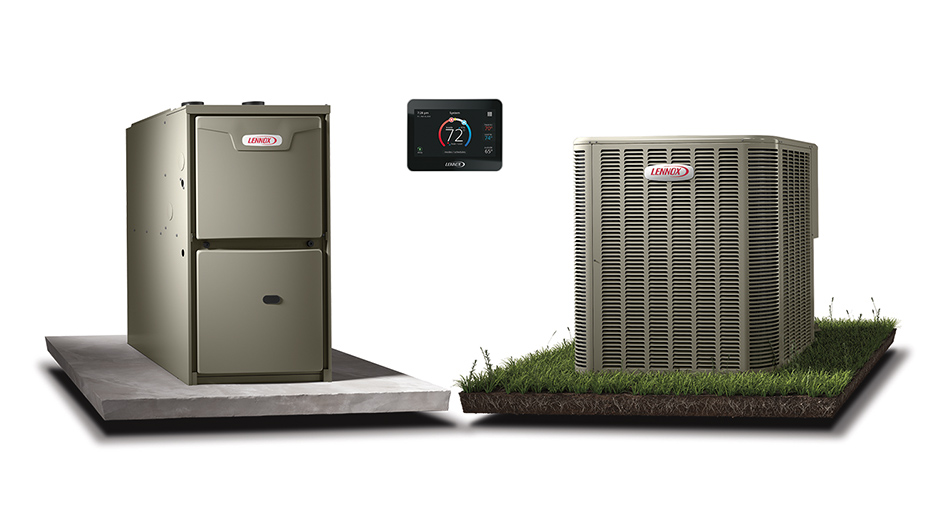
The thought of installing both a furnace and heat pump might seem a little unusual at first. After all, why would you need two heaters? Although furnaces and heat pumps both offer energy-efficient heat, the variations in their design really make installing both of them a viable option. It’s not for all of us, but in the right conditions you can absolutely benefit from using a furnace and a heat pump.
You’ll want to think about several factors in order to decide if this type of setup suits you. Your local climate and the square footage of your home are both very important, particularly for the heat pump. This is because numerous models of heat pumps begin to work less effectively in colder weather and larger homes. At the same time, you can still benefit from heat pump installation in Omaha.
Heat Pumps Might Be Less Efficient in Winter Weather
Heat pumps are commonly less efficient in cooler weather due to how they generate climate control to begin with. As opposed to furnaces, which ignite fuel to provide heat, a heat pump reverses its supply of refrigerant to extract heat from outdoor air. This heat is then pulled inside and circulated throughout your home. Assuming there is still a bit of heat energy in the air, a heat pump should function. But the lower the temperature, the less effective this process is.
The less heat energy is accessible outside, the more effort is required for a heat pump to draw heat indoors to generate your ideal temperature. It may depend on the specific make and model, but heat pumps generally start to lose efficiency at temperatures of 40 degrees and colder. They can still be an energy-efficient option until 20-25 degrees, at which a gas furnace is more effective.
What Temperatures Do Heat Pumps Perform Best In?
Heat pumps function best in temperate climates 40 degrees and up. That said, you don’t have to miss out on the benefits of a heat pump just because your local climate is colder. After all, that’s why having both a furnace and heat pump may be worth the expense. You can favor the heat pump for energy-efficient heat until the weather is cold enough to justify swapping to something like a gas furnace.
Certain makes and models boast greater efficiency in winter weather. For example, the Lennox MLA heat pump is capable of operating at 100% capacity at 0°F. It can even continue running in temperatures as cold as -22°F. For maximum energy efficiency, you’ll likely still want to use the furnace in severely cold weather.
So Should I Put in a Heat Pump if I Use a Gas Furnace?
If you’re thinking about maintaining the most energy-efficient HVAC system achievable, owning a heat pump and gas furnace at the same time is worth the investment. Not only is a dual-heating system adaptable, but it offers other perks like:
- Reliable backup heating – A redundant heating system means even if one breaks down, you still have the means to heat your home. It may not be the most energy efficient, but it’s better than shivering in an unheated home while you wait for repairs.
- Lower energy costs – The ability to pick which heating system you use depending on the highest energy efficiency decreases your total costs. Smaller heating bills over the life of these heaters can really add up to plenty of savings.
- Less strain on both systems – Instead of running one system all winter long, heating responsibilities are split between the furnace and heat pump. Crucial hardware will sometimes survive longer given that they’re not under continuous use.
If you’re still not sure about heat pump installation in Omaha, don’t hesitate to reach out to your local expert technicians. They can review your home’s comfort needs and help you determine if a dual-heating HVAC system is the right option.